There is a saying that goes,
“If you want to control them, take control of their emotions!”
When I was a small child (not just in age but also in height lol), I remember seeing an advertisement for a health drink. The ad featured a little boy who, after drinking it, became taller and smarter. Like many kids, I fantasized about how wonderful it would be to grow taller, just like the boy in the ad.
Eventually, I got my hands on the drink and started consuming it.
Did it help me with my height? I’m not sure!
However, it did boost my self-esteem and made me feel better about myself. Every time I saw that drink, a rush of hope and joy filled me, induced by the impactful ad.
The Self and Emotions
This week’s chapter by Jessica and Richards gives a new perspective of ‘Self’ linked with emotions:
The experience of self is shaped by a constant and ever-changing flurry of emotions ie., “passions”, and feelings of pride, shame, and other emotions could not exist without perceptions and evaluations of the self (Brown & Marshall, 2001).
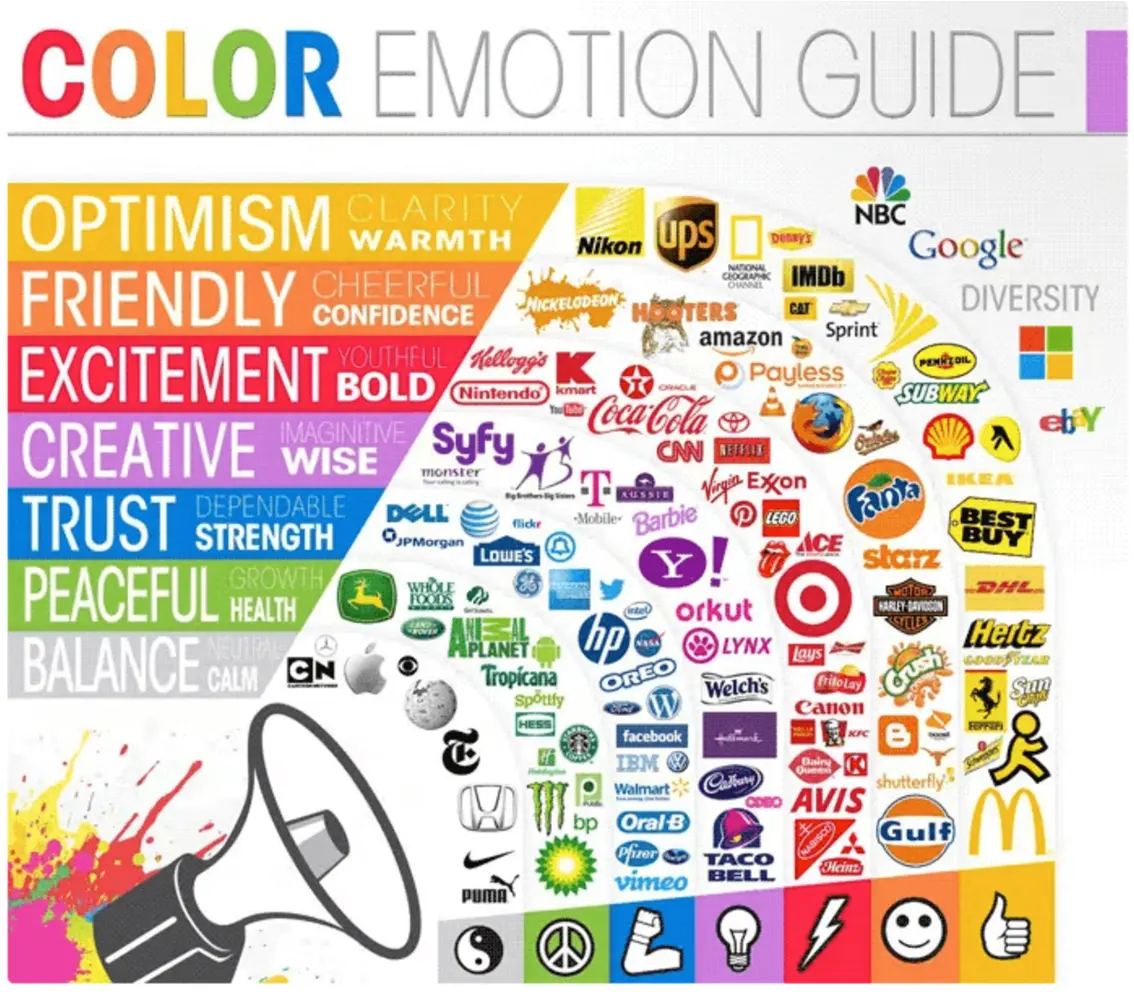
When I reflect on that incident now, I can’t help but consider how that advertisement influenced my decision to buy and consume their product throughout my childhood.
This week’s chapter made me rethink the impact that ads have on our emotions and how our emotions, in turn, affect our sense of self. Whether it relates to our self-esteem or pride or shame, if we don’t feel it, it ceases to exist.
Why Are We So Easily Swayed by Advertisements?
This question will take us into the fascinating world of advertising psychology.
Advertisements serve not only to sell products but also to inform and evoke emotions that influence behaviors, including brand loyalty, purchase decisions, and social sharing. They often employ emotional triggers (such as happiness, fear and nostalgia) to create a connection with the audience.
Research conducted by Jennifer Edson Escalas (2004) says how emotional storytelling (Narrative ad) influences emotional engagement and brand connection. Narrative ads evoked stronger emotional engagement and led to higher brand identification, as viewers were more likely to see themselves in the story.
The Two Sides of Advertising
There are always two sides to a story. One positive aspect of advertisements is the motivation and positive emotions they convey, which can impact how we feel. For instance, when I drank that health drink, I felt a boost in my confidence, which contributed to my overall self-esteem. Similarly, many such ads inspire and motivate us positively.
I recommend you to watch one such ad here: Nike - You Can’t Stop Us (2020)
I would say watching this ad was my best 1.5 minutes I ever spent today.
Nike ad - Selling you motivation, not shoes!
References
Brown, J. D., & Marshall, M. A. (2001). Self-esteem and emotion: Some thoughts about feelings. Personality and Social Psychology Bulletin, 27(5), 575-584.
Escalas, J. E. (2004). Narrative Processing: Building Consumer Connections to Brands. Journal of Consumer Psychology, 14(1-2), 168-180.