Human self is a byproduct of the close relationships around them. We inherit aspects of our close ones’ ideologies, behaviors, characteristic traits and even minor habits.
Buss and Kenrick (1998) state this idea succinctly: “From an evolutionary perspective, the functions served by social relationships have been central to the design of the human mind” (Self and Relationships, Page 302).
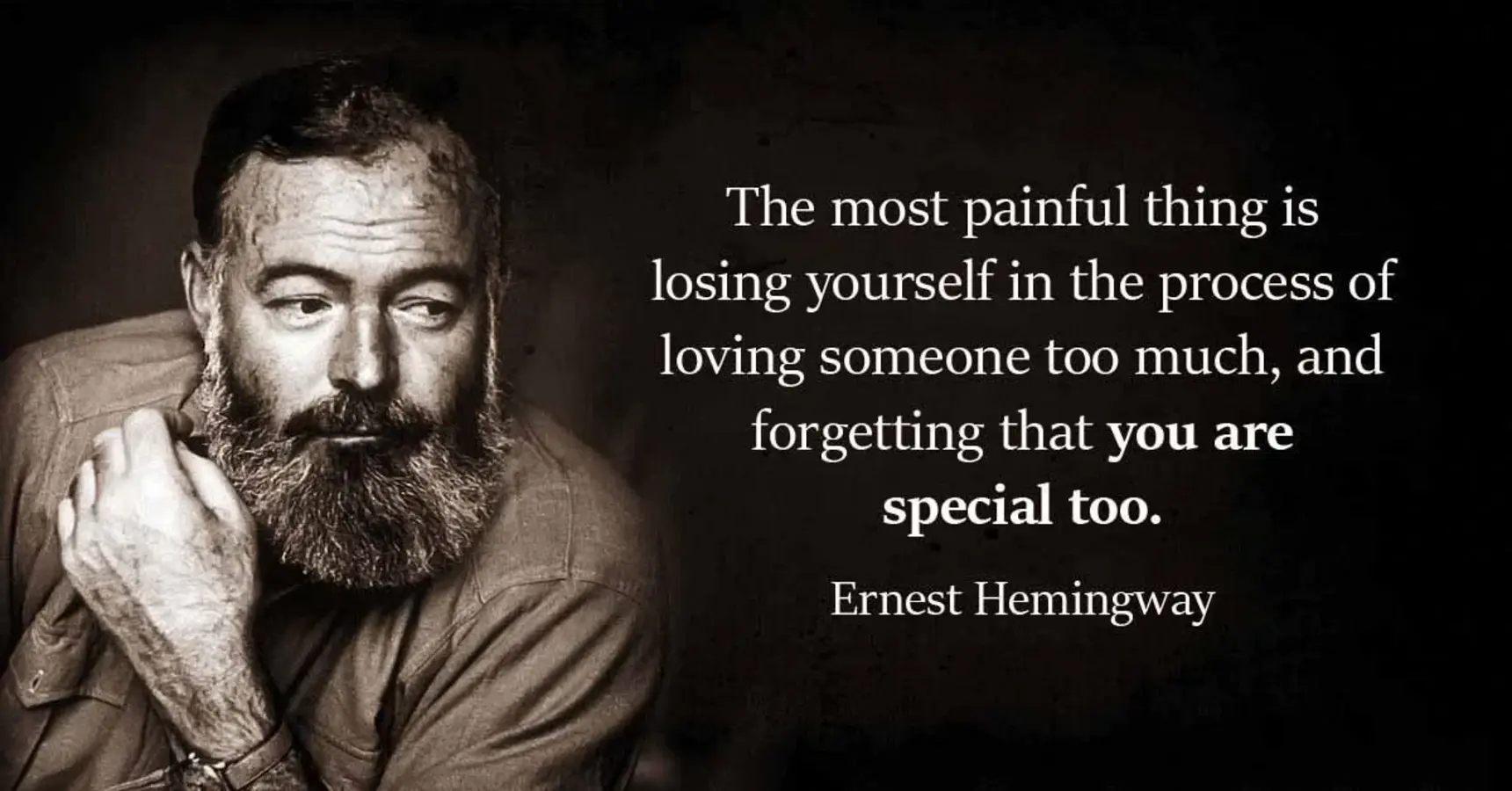
If your sense of self is always changing based on what those around you bring to the table, then which version of yourself is the real you?
Among all the close relationships we experience, the committed romantic relationship or marriage has the most profound impact on us. Reflecting on how your ‘Self’ (character, habits, behavior and belief system) have evolved before and after entering this relationship can reveal the significant changes you have undergone.
Sometimes, when the changes you adapted are undesirable, it leads to negative outcomes of such relationships. However, when the adaptations you underwent yield growth and benefits, a relationship that provides this is cherished.
If you are willing to adapt, how much can your ‘Self’ change for your partner?
The answer lies in the level of self-love you have for yourself.
In commenting on the secrets of marital success, Lucille Ball, the American comedian, once said “love yourself first and everything else falls into line.” Was she correct? (Self and Relationships, Pg301)
I would say yes!
Self-love is associated with secure attachment (Mikulincer & Shaver, 2007), indicating that individuals who value themselves tend to be more trusting, communicative, and less anxious or avoidant in their relationships. A study by Neff & Beretvas (2013), ‘The role of self-compassion in romantic relationships, Self and Identity’ found that individuals with higher self-compassion tend to have more satisfying romantic relationships. Self-compassionate people are less dependent on external validation, which reduces clinginess and neediness, leading to healthier dynamics.
The study published in “Personality and Individual Differences(2018)” also revealed that narcissistic self-obsession differs significantly from healthy self-love those who genuinely practice self-compassion exhibit greater empathy and are less manipulative in their interpersonal connections. Furthermore, individuals who embrace self-love are less likely to tolerate or engage in toxic behaviors, such as gaslighting or emotional dependency.
So, are you losing your ‘Self’ in love?
If yes, The solution lies in looking inwards and not outwards.
References
Neff, K. D., & Beretvas, S. N. (2013). The role of self-compassion in romantic relationships. Self and Identity, 12(1), 78–98. https://doi.org/10.1080/15298868.2011.639548
Mikulincer, M., & Shaver, P. R. (2007). Attachment in adulthood: Structure, dynamics, and change. The Guilford Press. https://psycnet.apa.org/record/2007-12400-000