“Self-presentation more than a type of social behavior, it is a characteristic of social behavior”
“To survive and prosper in a social world, people must get others to form the “right” impression about them, the things they are doing, and the things about which they care. People do this through self-presentation.”
- Barry R. Schlenker(Self Presentation, Chapter-25, Pg 563)
As a child, I was often concerned about what others thought of me.
To explore this curiosity, I conducted small social experiments in different situations. In one instance, I projected confidence and boldness; in another, I adopted a shy demeanor. The contrast in reactions was striking. When I exuded confidence, people responded positively, engaging with me warmly. Conversely, when I displayed timidity, their reactions were often indifferent or dismissive. This stark difference made me understand how much my demeanor influenced others’ perceptions and interactions. From a young age, I learned just how crucial self-presentation can be!
But what about the people who take self-presentation to the extremes, what can be the complications these alternate self-presentations can do for them?
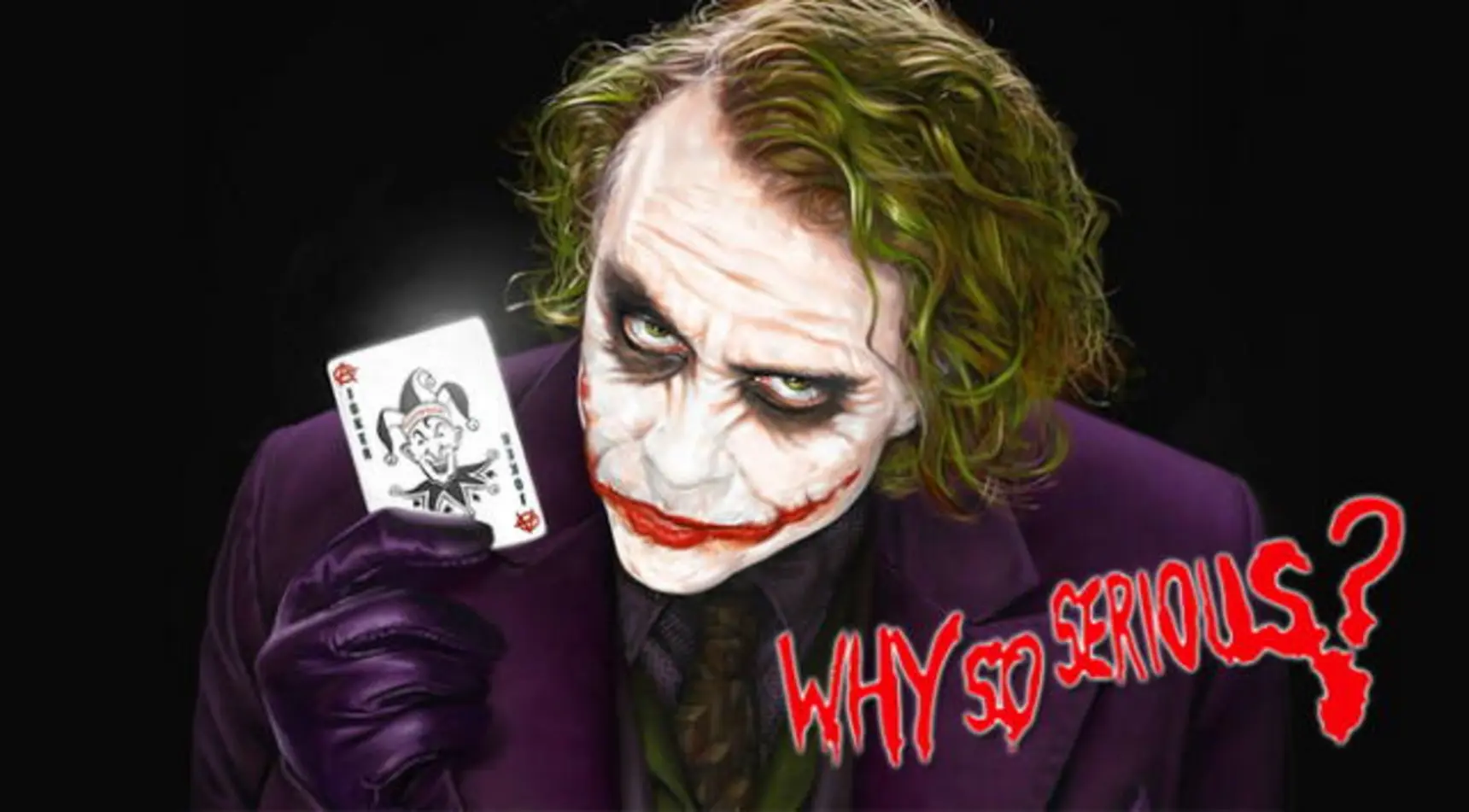
Let’s consider the fascinating world of movie actors as an example. Actors frequently take on different roles, adapting their presentations to fit each character. While some can easily switch between roles, others fully immerse themselves, making significant changes to portray their characters effectively. One of my favorite actors, Heath Ledger, who played the Joker in the film “The Dark Knight”(2008), falls into this latter category.
Heath Ledger completely isolated himself to prepare for his role as the Joker, before and during the filming of The Dark Knight (2008). After filming he revealed that he spent about a month locked away without meeting anyone in a hotel room, in London to immerse himself in the character.
Ledger kept a diary and experimented with various voices while preparing for his role as the Joker. He realized that this version of the Joker was more like a psychopath, completely lacking in empathy. He carried this diary with him using it to help him get back into character. His legendary performance as the Joker made him the first actor to win an Oscar for a clown role.
It was reported he suffered from insomnia due to his intense working style. Later he died due to an accidental overdose of medicines prescribed for insomnia and depression.
Clearly, this way of working creates a work-life imbalance, But did his mental health take a hit because of this?
If this is true for actors, what about those who perform in real life? For individuals who present a self-image that is not their ideal self, the pressure they feel is extremely intense.
“Schlenker and Weigold (1990) showed that privately self-conscious people are af-fected by social pressure and will go so far as to misrepresent some of their beliefs to create the right impression.”
- Self Presentation, Chapter-25
It is important to make a good impression and to represent yourself in the best way possible to be liked in society.
However, what is the cost of that, and how far are you willing to go?