Ann Hopkins case is a clear example of how women fought for their rights, from voting to being treated equally in the workplace.
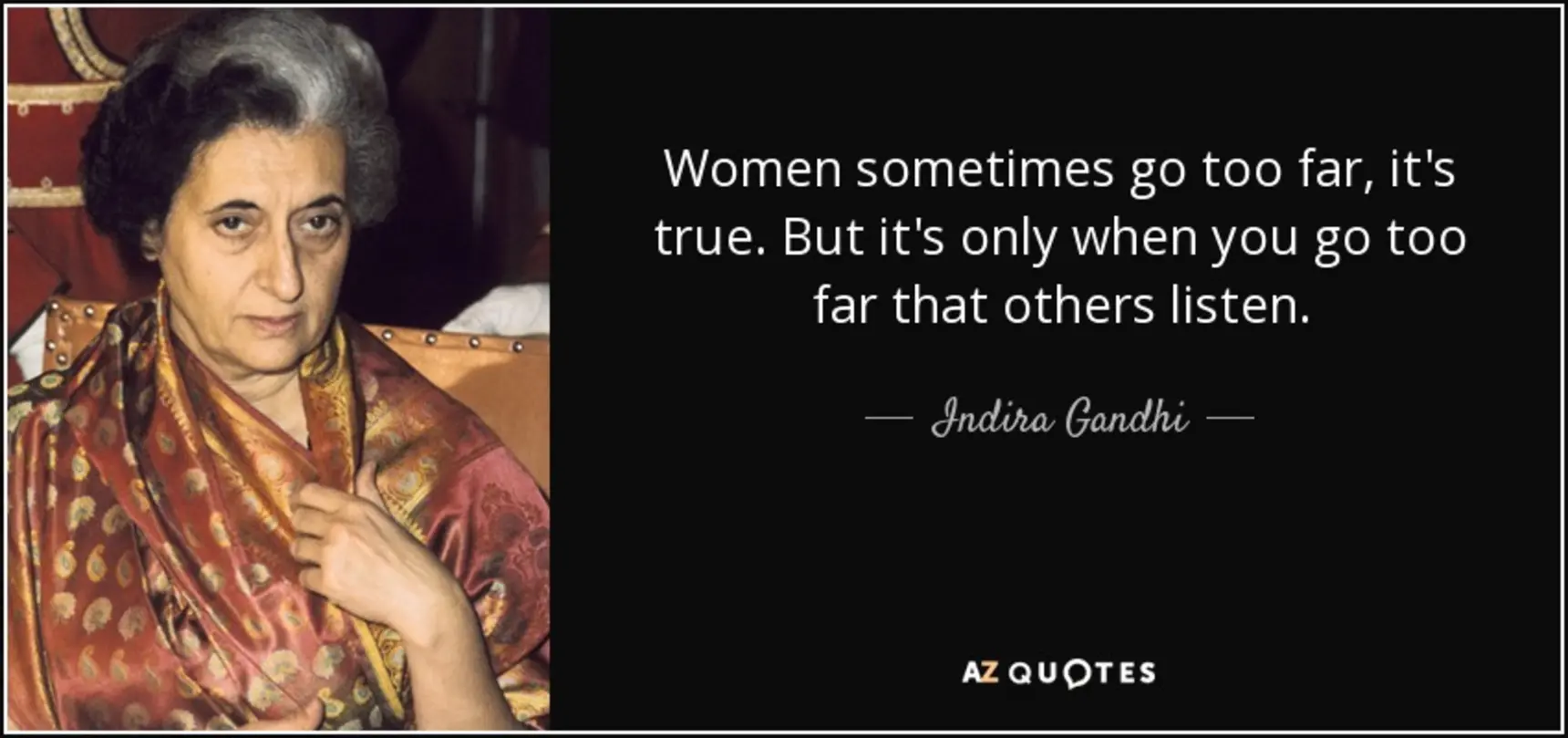
Ann Hopkins was a highly skilled Senior Manager at Price Waterhouse who was denied partnership at the accounting firm due to gender stereotyping. She faced comments suggesting that she did not conform to traditional feminine behaviors, with recommendations to alter her walking style, dress more gently with less ‘Power blues’, soften her voice, and apply makeup like other women in the firm. While opinions about her candidacy for the position varied, discussions highlighted both the advantages and drawbacks of selecting Ann Hopkins for partnership.
During my research on this case, I found that Ann Hopkins sued Price Waterhouse after her partnership was denied. The case eventually made its way to the United States Supreme Court, where the ruling in her favor marked a significant victory for all individuals facing sex discrimination in the workplace.
Gender Stereotyping is not just a problem of the past and it is still existing in the nooks and corners of the world. Especially in the field of politics where the number of women in the leading position is less across the countries in the world.
Why are women not encouraged to take on leadership roles? Do the women in politics face challenges similar to those experienced by Ann Hopkins in proving their competence and breaking the glass ceiling?
Beyond their capabilities, these women often feel compelled to go above and beyond to demonstrate their worth compared to their male counterparts. Unfortunately, when they push these boundaries, they are frequently perceived as hard-nosed, difficult to work with, or lacking in interpersonal skills. Nevertheless, it takes a strong will to overcome these barriers.
The women leaders I admire from around the world are often represented in ways reminiscent of how Ann Hopkins was portrayed in the article. They are characterized as strong-willed, with assertive voices and a powerful, vibrant presence.
Take Indira Gandhi, for example, known as the ‘Iron Lady of India.’ She shattered gender stereotypes as the first female Prime Minister of India and is recognized for her efforts toward women’s empowerment as well as her bold decisions regarding war and policy implementation.
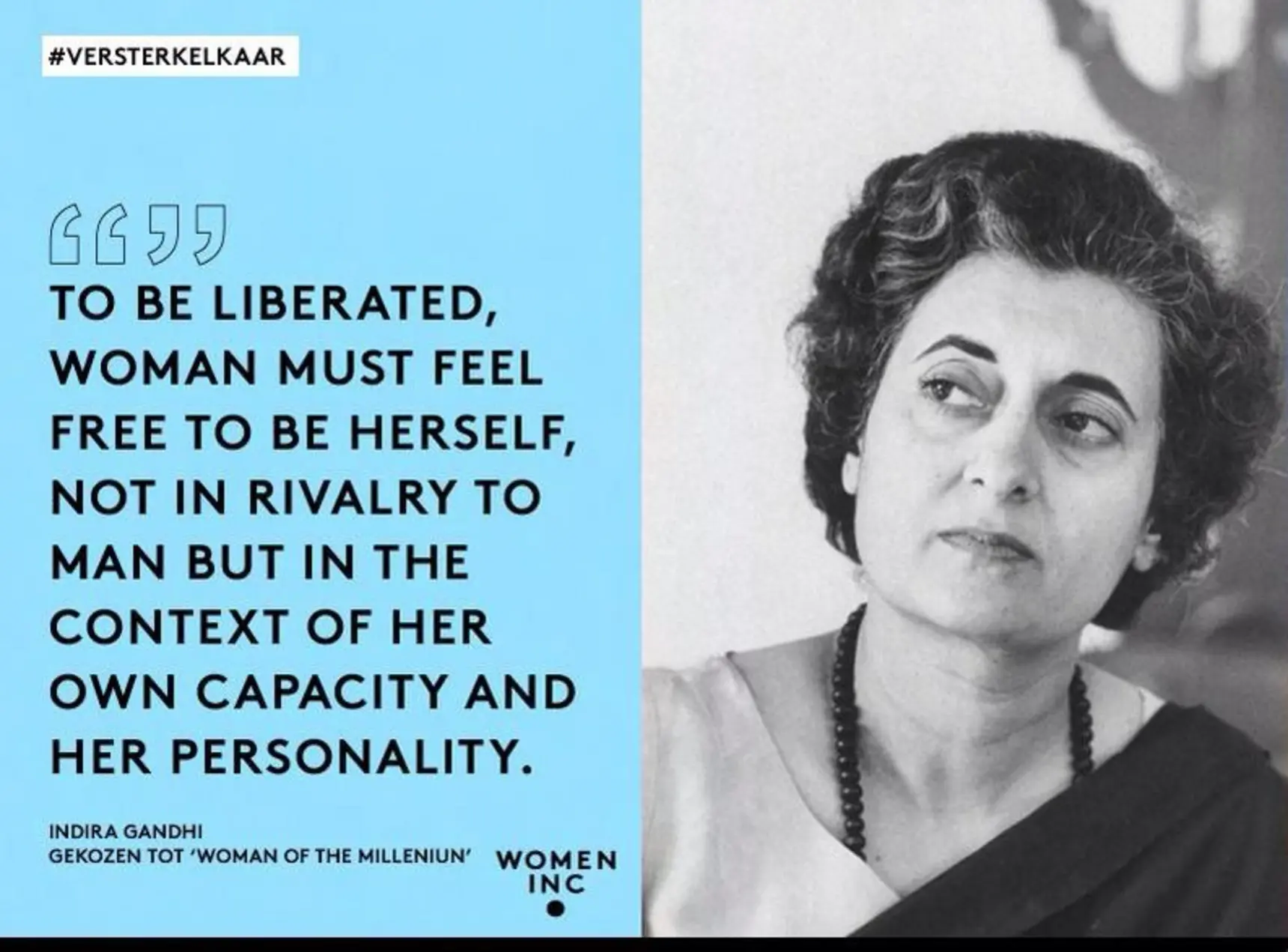
History highlights several notable women leaders globally, including Sirimavo Bandaranaike of Sri Lanka, Angela Merkel of Germany, Golda Meir of Israel, and Margaret Thatcher of the UK, whose path towards success was not easy in the male-dominated world.
Women leading a country - can ever be a normalcy and not an exception?
What is your opinion?
Just some stats,
Data compiled by UN Women show that women represent 22.9 per cent of Cabinet members heading Ministries, leading a policy area as of 1 January 2025. There are only nine countries in which women hold 50 per cent or more of the positions of Cabinet Ministers leading policy areas.
As of 1 January 2025, there are 25 countries where 28 women serve as Heads of State and/or Government.
At the current rate, gender equality in the highest positions of power will not be reached for another 130 years.
References
UN Women. (2025). Facts and figures: Women’s leadership and political participation. https://www.unwomen.org/en/articles/facts-and-figures/facts-and-figures-womens-leadership-and-political-participation